


Making sure your home is secure isn’t as simple as installing a few locks and having an alarm system. Homes are filled with vulnerabilities that intruders can take advantage of. At SafeHouse Security Consultants, we perform home security evaluations to pinpoint weaknesses and propose solutions that help you stay two steps ahead of adaptive criminal psychology. Drawing on the data from security assessments we perform, we’ve put together some of the most common issues we see and how to resolve them.
Key Takeaways
- Smart home security combines protection with convenience through automation
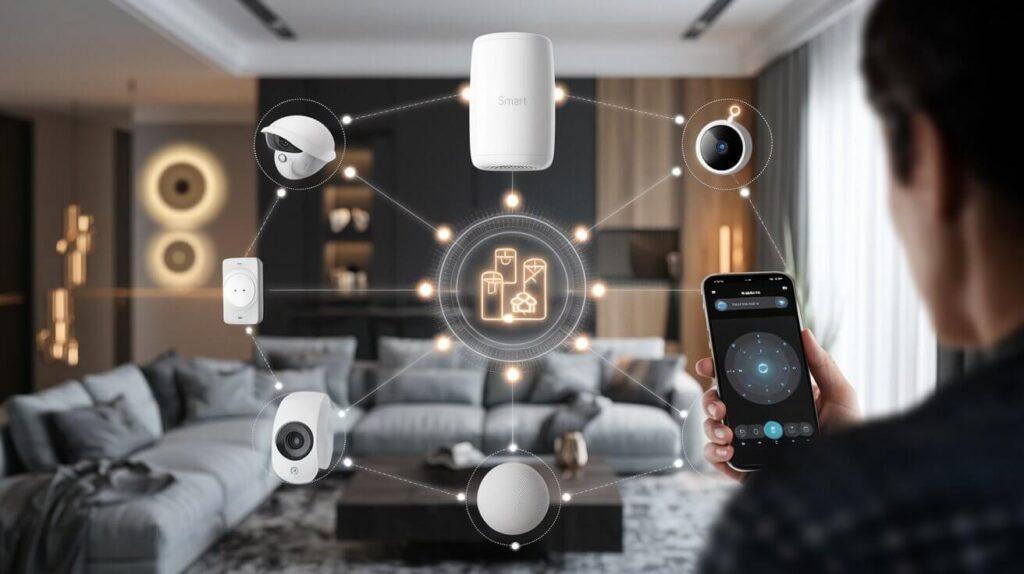
- Real-time alerts and remote access let you monitor your home from anywhere
- Devices like cameras, smart locks, and doorbells help prevent break-ins before they happen
- Environmental sensors protect against hidden risks like fire, leaks, and carbon monoxide
- SafeHouse Security Consultants provides tailored recommendations and handles setup from start to finish
1. Weak or Inexpensive Lock Hardware on Exterior Doors
Even expensive homes come equipped with cheap locks on their doors. These are simple to pick, bump, or force open, which makes them a key target for intruders. You don’t have to search too far — type “how to pick a lock” into YouTube, and you will be greeted with thousands of videos showing how easily an ordinary pin tumbler lock can be defeated.
Solution: Install high-security locksets from trusted manufacturers. Use ANSI Grade 2 locks at a minimum; Grade 1 is even better. Look into high-security lock cylinders (e.g., ASSA, Medeco) that are resistant to picking, bumping, and unauthorized key duplication. Each entry door should be fitted with a heavy-duty deadbolt lock with a high-security cylinder.
2. Weak Door Frames That Make Forced Entry Easy
A good lock is no good unless it’s attached to a good frame. That makes it easy to kick in, and most homes do not have door frames that provide more than a ¼-inch of usable support.
Solution: Reinforce door frames with heavy-duty strike plates. Opt for long strike plates that accommodate multiple screws, and secure them with 3-inch screws that reach into the wall studs—not just the flimsy door frame. For maximum security, we recommend StrikeMaster II Pro door and frame reinforcement kits.
3. Out-Swinging Doors with Exposed Hinges
The doors that swing outward seem like they are providing security, but if the hinges are exposed, an intruder can just remove the hinge pins and take the door off the frame.
Solution: Install security studs on all hinges. These are inexpensive but highly effective at preventing the door from being lifted, even if the pins are removed. You can buy them pre-made or DIY by inserting a screw into the hinge side of the door and cutting off the head, leaving a small shaft that fits into a corresponding hole in the frame.
4. Poor Locking Mechanisms on Sliding Doors and Windows
Standard locks on residential sliding doors and windows are typically weak, allowing them to be easily lifted off the track or forced open.
Solution: Install supplementary locks designed specifically for sliding doors and windows. These come in various styles and are available at most hardware stores or online.
5. Unprotected Glass Windows and Doors in Vulnerable Locations
Burglars love glass — it breaks easily and provides direct access to your home. The most vulnerable areas include:
- Glass panes near doors (burglars break the glass and reach inside to unlock the door).
- Hidden windows at ground level (allowing break-ins with minimal visibility).
- Basement or window well windows (providing an easy entry point with cover).
Solution: Install security window film on the vulnerable glass. This means that, even if broken, the glass won’t shatter on impact and is therefore very difficult for the intruder to enter through.
Book a Consultation Now

6. Unlocked Doors and Windows
Leaving doors and windows unlocked is one of the simplest yet most overlooked security gaffes. Because many homeowners think upper-floor windows are out of reach for potential thieves, they can be a tempting target for those determined to find a way in; thieves can gain access from nearby furniture, trees, or even unsecured ladders left outside.
Solution: Make it a habit to lock all doors and windows when leaving your home or at night. If you need to leave a window open for ventilation, consider alarm window screens—these trigger your home security system if tampered with.
7. Spare Keys Hidden Outside
Hiding a key under the doormat or inside a fake rock isn’t fooling anyone—burglars know all the common hiding spots.
Solution: Avoid hiding spare keys outside. Instead, leave a spare with a trusted neighbor, family member, or friend. If you need regular access, consider using a secure lockbox.
8. Overgrown Shrubbery That Provides Cover for Intruders
Tall bushes and trees near windows or entryways create hiding spots for burglars, making it easier for them to break in unnoticed.
Solution: Follow Crime Prevention Through Environmental Design (CPTED) principles:
- Keep shrubs below 3 feet.
- Trim tree canopies above 6 feet.
- Maintain clear sightlines between your home and the street.
9. Intrusion Alarm System Installed but Not Used
A security system is great—but only if you use it. Most homeowners don’t arm their alarm when running quick errands, the prime time for burglars to break in.
Solution: Always enable your security system, even if you’ll be leaving for just a few minutes. If it is outdated or too complicated to use, pay for an upgrade.
10. Outdated Alarm System Communication Methods
Older security systems are attached to landlines, which many homeowners have gotten rid of for cell phones or internet-based phone services — sometimes without realizing it means its alarm system isn’t connected anymore.
Solution: Check how your alarm system communicates with the monitoring center. For better security, use a dual-path system that includes both cellular and internet-based communication.
11. Garage Door Vulnerabilities
Garage doors are a common weak spot, and many can be opened in seconds using a simple coat hanger trick to pull the emergency release.
Solution: Secure the emergency release cord with a zip tie or a commercial shield. Consider a garage door deadbolt lock for added protection.
12. Old-Style Garage Door Openers That Can Be Hacked
Older garage door openers use simple DIP switch codes with a limited number of combinations. Tech-savvy burglars can quickly cycle through these codes and gain entry.
Solution: Upgrade to a rolling code garage door opener, which generates a new access code every time it’s used, making it nearly impossible to hack.
13. Inadequate Safety for Valuables
Many homeowners store jewelry, cash, or documents in cheap fire safes, which are designed to withstand heat—not burglars. These safes can often be pried open in minutes.
Solution: Use a UL-listed burglary-rated safe instead. These offer significantly better protection against forced entry.
14. No Secondary Layers of Defense Inside the Home
If an intruder gets past the exterior, most homes provide zero additional barriers between them and your valuables.
Solution:
- Install deadbolts on bedroom and closet doors to create extra layers of security.
- Store valuables in a locked safe inside a secured room.
- If desired, consider setting up a safe room for emergencies.
15. No Inventory of Valuables
After a burglary, many homeowners struggle to recall every item that was taken from their home, which complicates filing police reports and insurance claims.
Solution: Create a detailed home inventory with:
- Photos of valuable items (especially jewelry, antiques, and electronics).
- Serial numbers for items like TVs, laptops, and firearms.
- A video walkthrough documenting the contents of your home.
- Backup copies are stored securely online or off-site.
Need a Professional Home Security Evaluation?
If you still worry about security in your home, SafeHouse Security Consultants are there to offer assistance. Our home security evaluation offers a comprehensive check of your property as well as an analysis of crime data in your area.
Schedule a free consultation with us today by calling 424 352 8639!
Frequently Asked Questions
Q: What Devices Should I Start With For Smart Home Security?
A: Start with cameras, smart locks, and a video doorbell. These cover the most important entry points and give you remote visibility.
Q: Can I Control My Security System From My Phone?
A: Yes. Most modern systems allow full control through mobile apps, including alerts, live video, and device management.
Q: Are Smart Security Systems Difficult To Install?
A: Many are designed for easy setup, but professional guidance ensures everything is placed and configured correctly.
Q: Do Smart Security Devices Work Together?
A: Yes. Many devices integrate into one system, allowing automation like lights turning on when doors unlock.
Q: How Do Smart Systems Help When I’m Away From Home?
A: They provide live monitoring, instant alerts, and remote control so you can respond to activity no matter where you are.
Q: Why Work With SafeHouse Security Consultants?
A: They assess your home, recommend the right devices, and manage installation—so your system is effective without the guesswork.