

What Are Guidelines for Home Security
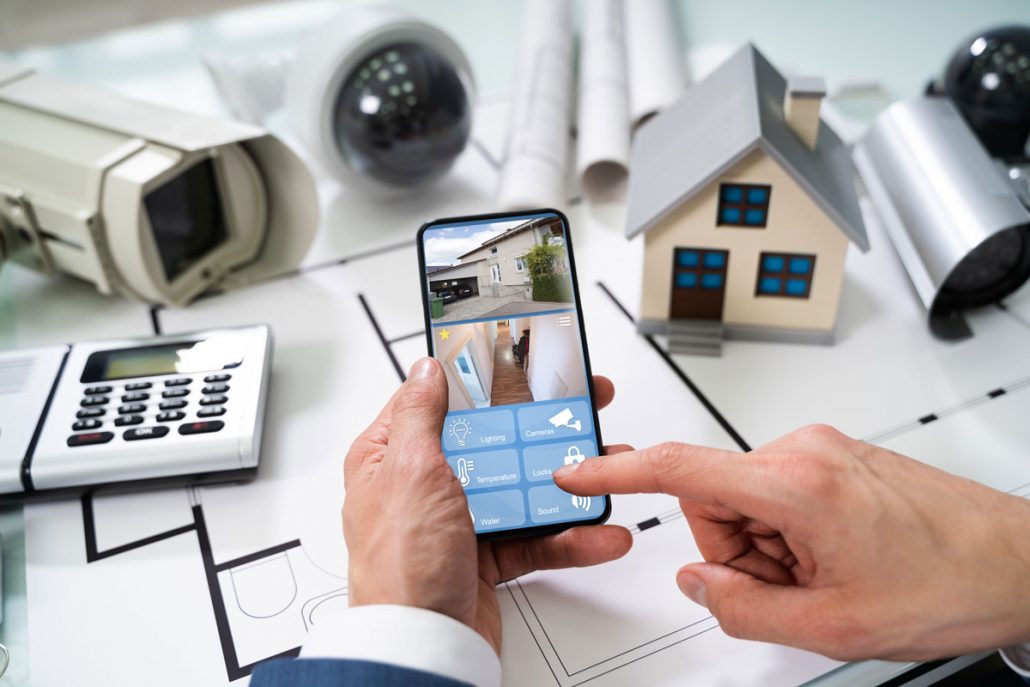
If you are asking what are guidelines for home security, the core answer is this: security is not a single product you buy; it is a system of layers you build. True safety comes from hardening your entry points, maintaining consistent daily habits, and using a strategic mix of technology and situational awareness to reduce your “target profile.”
At SafeHouse Security Consultants, we emphasize that most security breaches do not stem from sophisticated threats. They occur because of “soft” gaps—unlocked windows, poor lighting, or predictable routines. Once you understand the technical principles of deterrence, you can fix these vulnerabilities before they are exploited.
Key Takeaways
- Vulnerability Mapping: Identifying weak points in your doors, windows, and perimeter is the prerequisite for any upgrade.
- Daily Discipline: Habitual security (locking up every time) is as vital as the hardware itself.
- Smart Integration: Modern tech should provide real-time visibility, not just a recording after the fact.
- Environmental Control: Maintenance, such as trimming hedges and improving lighting, removes the “cover” intruders rely on.
- The Layered Defense: A professional strategy combines physical barriers with digital monitoring for 360-degree protection.
Book a Consultation Now
How To Assess Your Home’s Security Weaknesses
Before investing in hardware, you must perform a “Red Team” audit of your own property. This means looking at your home through the eyes of an outsider. What are the guidelines for home security if not first understanding where you are most exposed?
The Basic Security Audit Checklist:
- Entry Points: Are your hinges exposed? Is your door frame solid wood or reinforced?
- Visibility: Are there “blind spots” created by overgrown landscaping where someone could work on a lock unseen?
- Lighting: Does your property have dark pockets that aren’t triggered by motion?
- Valuables: Can someone see your 75-inch TV or laptop through the front window from the sidewalk?
At SafeHouse Security Consultants, we take this further by utilizing local crime data and site-specific risk analysis to give you a roadmap based on real-world threats in 2026.
Strengthening Doors And Windows: Your Primary Shield
Most residential entries are “opportunistic,” meaning the intruder took the path of least resistance. If your doors and windows take more than 30 seconds to bypass, most intruders will move on.
- Strike Plate Reinforcement: Replace standard 1-inch screws with 3-inch screws that bite into the wall stud, not just the trim.
- Deadbolt Integrity: Ensure you have Grade 1 or Grade 2 deadbolts with at least a 1-inch throw.
- Window Security Film: This prevents “smash and grab” attempts by holding the glass together even after a heavy impact.
- Sliding Door Pins: Sliding doors are notoriously easy to lift off their tracks; use a secondary locking pin to anchor them.
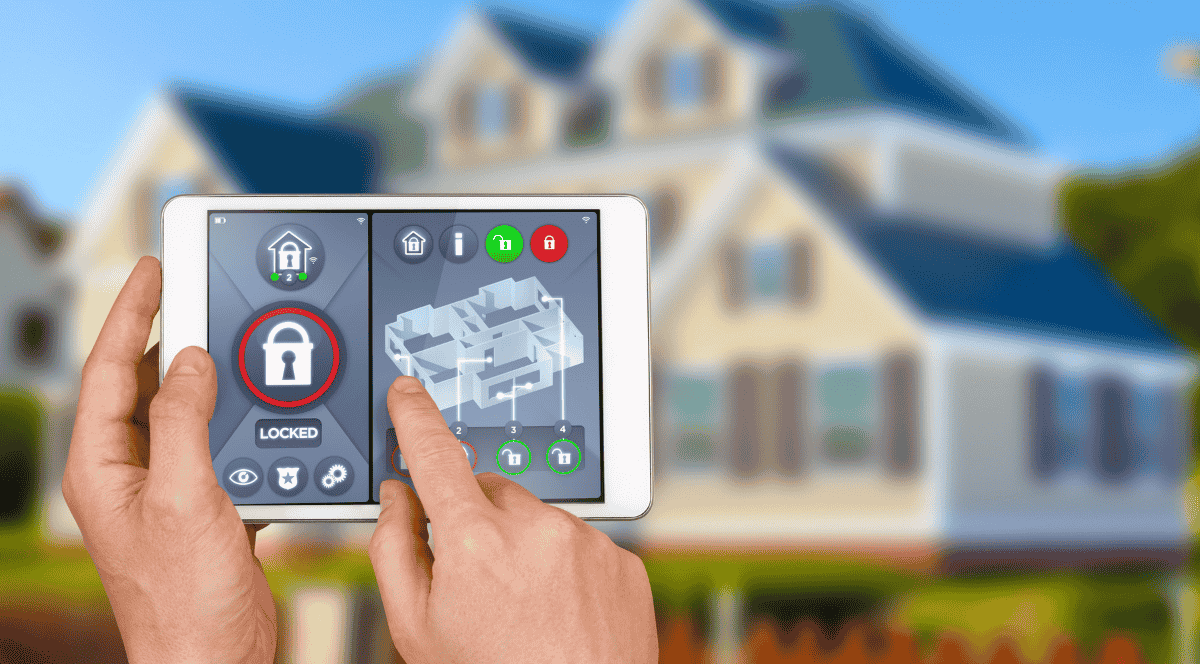
At-A-Glance: Physical Security vs. Smart Technology
Security Layer | Physical Hardware | Smart Technology |
Purpose | Stops or delays entry | Provides alerts and evidence |
Examples | Deadbolts, Window Film, Gates | Cameras, Video Doorbells, Sensors |
Strength | Reliable 24/7 without power | Remote monitoring from anywhere |
Weakness | No notification of an attempt | Vulnerable to Wi-Fi outages |
Daily Habits That Hardwire Your Security
Consistency beats complexity every time. Even a $10,000 system is useless if the back door is left ajar. What are guidelines for home security without the discipline to follow them?
- The 9 PM Routine: Every night, verify that all doors, windows, and garage entries are locked.
- Digital Silence: Avoid posting “vacation photos” in real-time. This is a broadcast to the world that your home is empty.
- Verify All Access: Never open your door for “utility workers” or “delivery drivers” without seeing a photo ID and a marked vehicle.
- Spare Key Management: Stop hiding keys under mats. Use a high-quality smart lock or give a spare to a trusted neighbor.
Book a Consultation Now
Mastering The Future Of Your Home Protection
Building a secure home is an ongoing process of layering. By combining physical hardening (strike plates and locks) with technology (cameras and sensors) and situational awareness, you create an environment where the risk to an intruder far outweighs the reward.
At SafeHouse Security Consultants, we provide more than just advice; we provide a technical blueprint for peace of mind. Whether you need a full residential audit or help implementing a new 2026 smart system, we handle the logistics so you don’t have to.
Contact SafeHouse Security Consultants for your tailored home audit at (424) 352-8639
Frequently Asked Questions
What are guidelines for home security that I can implement today?
Start with the “Big Three”: lock all doors/windows, clear away bushes that block the view of your entrances, and check that your exterior lights are working. These three steps immediately reduce your vulnerability.
How often should I review my home security setup?
We recommend a seasonal check. Test your camera batteries, verify that your window locks haven’t seized, and update any software on your smart devices.
Are “Security System” signs actually effective?
Yes. While they don’t stop a professional, they act as a “psychological deterrent” for opportunistic burglars who are looking for the easiest possible target.
What is the most common mistake homeowners make?
Relying solely on cameras. Cameras record the crime; they rarely stop it. You need physical locks and reinforced frames to actually keep someone out.
How can I secure my home while on vacation?
Use smart light timers to mimic “lived-in” activity, have a neighbor collect your mail, and ensure your alarm system is armed and monitored by a professional service.
Is it worth getting a professional security assessment?
If you want to move beyond guesswork, yes. Professionals like SafeHouse Security Consultants can identify specific architectural flaws and “blind spots” that the average homeowner overlooks.
Book a Consultation Now