

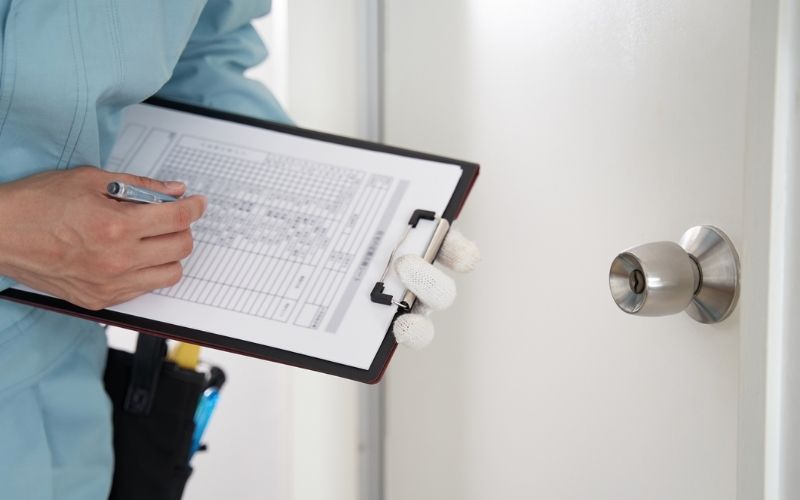
A home safety assessment can detect such hazards as poor air quality, fall dangers, and unsafe layouts — and counteract them with solutions that tend to be low-cost and easy.
If your home isn’t safe, everyday life can become a struggle. In the United States, home accidents cause an injury every four seconds and a death every sixteen minutes. Many of these accidents are preventable.
Key Takeaways
- A home safety assessment is a way to look at your house and outside property for risks that can cause accidents and injuries.
- It finds common hazards such as fall risks, bad lighting, faulty wiring, and gaps in safety equipment.
- The process considers how you function in your space — not just what appears unsafe.
- Assessments typically take about an hour and may include follow‑ups if health conditions change.
- Licensed professionals provide the most thorough evaluations, and recommendations should fit your needs without unnecessary changes.
Book a Consultation Now
What Is a Home Safety Assessment?
A home safety assessment is a thorough evaluation of both the inside and outside of your home. At SafeHouse Security Consultants, we look beyond what’s visible and take into account how you perform everyday tasks and move throughout your space.
Here’s what a comprehensive home safety assessment typically includes:
Fall Risk Evaluation
Falls are the most common cause of serious injury at home. A safety assessment checks for:
- Loose carpets or area rugs
- Uneven flooring transitions
- Cluttered walkways
- Poor lighting
- Slippery bathroom surfaces
We observe these elements in the context of your daily routines. It’s one thing for a rug to look unsafe — it’s another if you routinely navigate around it without issue.
Safety Equipment Check
We inspect existing safety devices, including:
- Smoke detectors
- Carbon monoxide detectors
- Fire extinguishers
- Grab bars and handrails
- Stairway lighting
If these aren’t installed correctly or need updating, we’ll recommend practical, cost‑effective solutions.
Functional Mobility Review
You may be asked to demonstrate everyday actions like:
- Standing up from your favorite chair
- Entering and exiting the shower
- Reaching items in high cabinets
- Moving between rooms
This helps us understand how your body interacts with your environment, which is just as important as the physical space itself.
Kitchen and Storage Evaluation
We look at how cabinets and storage are organized to reduce the risk of strain or falls when retrieving items.
Outdoor and Entryway Assessment
The dangers don’t stop when you step outside. Uneven sidewalks, poor porch lighting, and a lack of handrails at entry steps are reviewed as part of your home’s complete assessment.
Not every suggested change is necessary. In some cases, a home may appear risky at first glance, but in the context of how you function within it, the current setup works well. The one potential harm is that sometimes unnecessary change can do more harm than good — and we always value practicality as a recommendation.

Why a Home Safety Assessment Matters
You might think, “I can see the hazards. Why do I need someone else to tell me?” The benefit of a professional home safety assessment is that it combines objective expertise with personalized insight.
Here’s why it matters:
It’s Personalized
A safety assessment isn’t one‑size‑fits‑all. Your mobility, schedule, history of health, and home layout all play into the recommendations.
It Helps Prevent Serious Injury
The problem is that the vast majority of accidents are avoidable when proper precautions are taken. A home safety inspection can keep you ahead of problems before they escalate.
It Supports Independence
Maintaining your independence is a top priority for most homeowners. A safety review can help you stay in your home longer, manage daily risks.
It Can Save Money
Spotting those threats early can save you on health and property repair costs or large-scale home rehab down the road.
Book a Consultation Now
How Long Does a Home Safety Assessment Take?
Most home safety assessments take about one hour.
However, depending on your situation, the process may take longer or require more than one session. For example:
- Recent changes in mobility
- After discharge from the hospital
- If you’re planning home modifications
Follow‑up assessments are often recommended when health conditions are changing rapidly.
At SafeHouse Security Consultants, we help clients understand whether their insurance might cover a home safety evaluation. Call us at (424) 352‑8639 to explore your options and next steps.
Frequently Asked Questions
What exactly does a home safety assessment involve?
A home safety assessment reviews risk factors inside and around your living space, as well as how you move or do daily tasks. It covers fall risks, safety equipment, lighting, mobility challenges, and household organization.
How long does a home safety assessment usually take?
Most inspections take approximately one hour, although time can vary depending on your needs and the size of your home.
Who should perform my home safety assessment?
Evaluations conducted by licensed professionals (i.e., occupational therapists or trained safety consultants) are the most accurate. Steer clear of those salesy assessments that talk only about the product.
Will my insurance cover a home safety assessment?
Some insurance plans may pay for some of the evaluation. Call your supplier and talk to the experts at SafeHouse Security Consultants on (424) 352‑8639.
How often should I get a home safety assessment?
It’s a good idea to re‑check if your health status changes after being discharged from the hospital or after you’ve taken a fall (or nearly fallen).
Book a Consultation Now